How to Tell Small Black Flying Bugs in KY Apart: Fruit Flies vs. Gnats vs Midges
In 2026, many Kentuckians noticed a larger-than-usual number of small black flies or flying bugs. The good news? By October, the number is usually beginning to thin out for the winter season. But if you just carried the porch plants inside for winter, you may notice a new crop of tiny flies drifting up from the soil and collecting on the windows.
Fruit flies, gnats, and midges all look like the same little black fly, but they breed in very different places. At IPM Pest & Termite near Lexington and Louisville, Kentucky, we can identify the small flies in your home, find where they’re breeding, and build a plan to get rid of them for good.
Learn how to tell fruit flies, gnats, and midges apart, why some of them show up in fall, and what you can do about each one.
Quick Comparison: Fruit Flies vs. Gnats vs. Midges
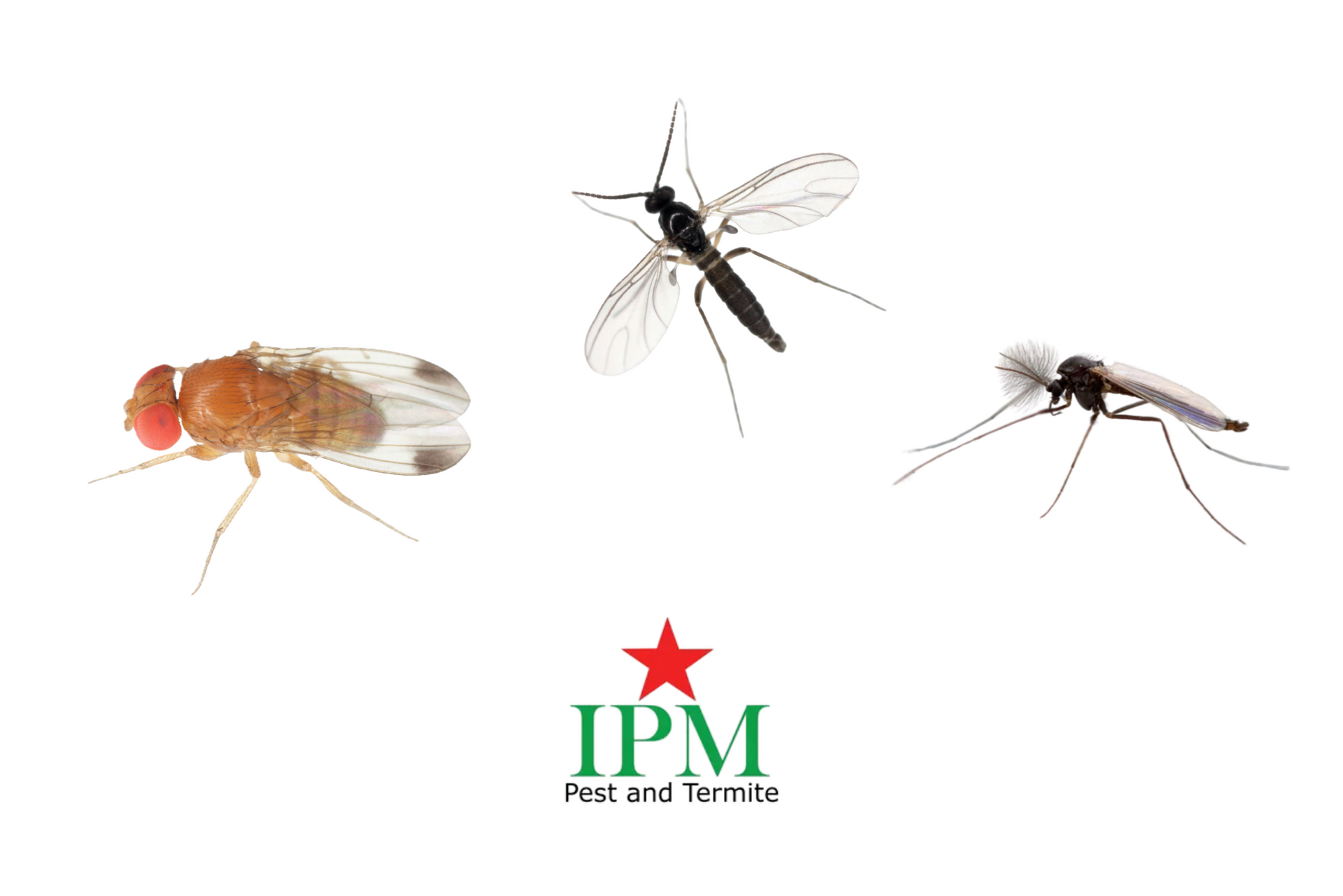
Fruit Fly
- What It Looks Like: About ⅛”; tan to brown-black body with red (sometimes dark) eyes
- Where It Breeds: Overripe or fermenting fruit and vegetables, trash, and sticky residue in recycling
- Where You’ll See It: Kitchens, bathrooms, trash cans; peaks July through September
Fungus Gnat
- What It Looks Like: About ⅛”; slender and black with long legs, like a tiny mosquito
- Where It Breeds: Damp soil
- Where You’ll See It: Houseplants, windows, and near computer screens
Midge
- What It Looks Like: ¼” to ½”; long legs, mosquito-like; males have feathery antennae
- Where It Breeds: Ponds, lakes, creeks, and standing water
- Where You’ll See It: Swarms outdoors and around porch lights in spring and summer
What Does a Fruit Fly Look Like?
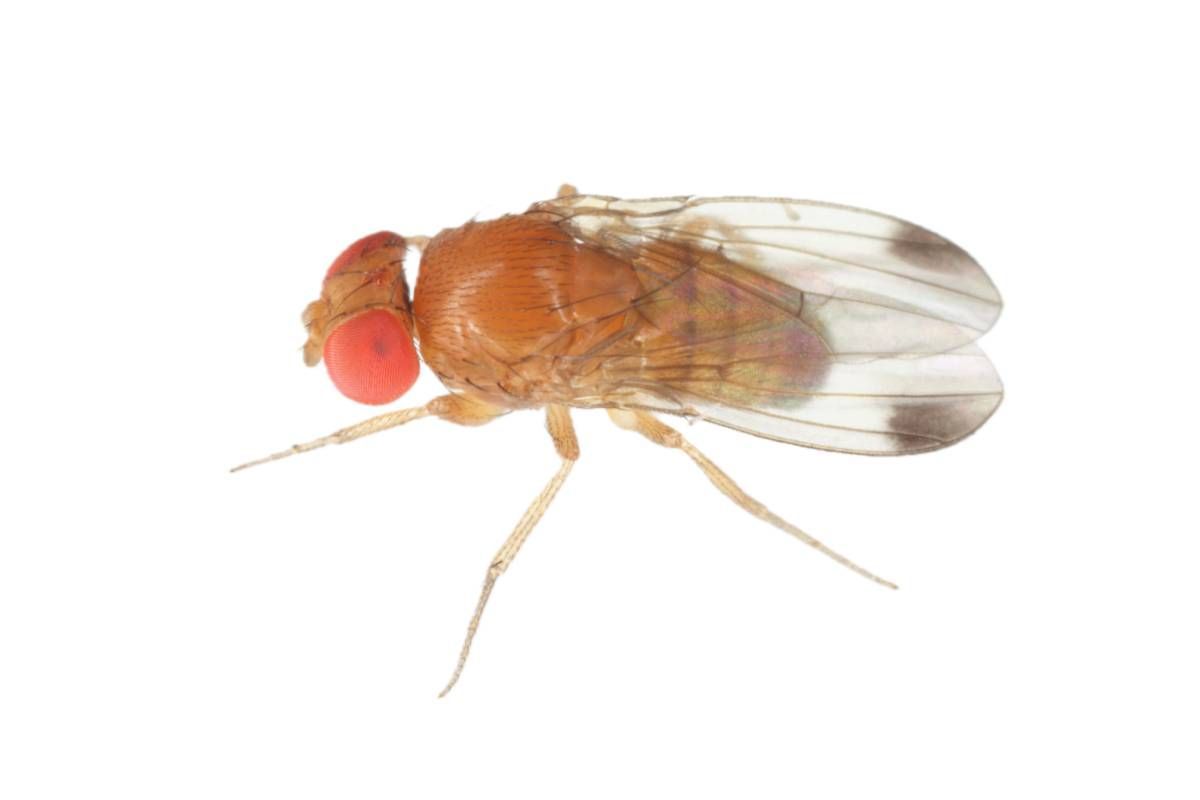
Fruit flies are about ⅛ inch long, roughly the size of a sesame seed, with a tan to brown-black body and red eyes, though some species have dark eyes. They hover and dart in quick, erratic bursts, usually right over whatever is going soft on your counter.
Where Fruit Flies Breed
Fruit flies lay their eggs on damp, fermenting food. Overripe bananas and tomatoes are the usual suspects, but they’ll also breed in the back of the pantry, on juice or beer left in a recycling bin, in a drain or garbage disposal.
Here in Kentucky, fruit fly season peaks from July through September.
How to Get Rid of Fruit Flies
- Refrigerate ripe produce, and use the oldest fruits and vegetables first.
- Check pantry bins for soft or sprouting potatoes and onions.
- Rinse cans and bottles before they go in recycling, and take out the trash often.
- Clean the garbage disposal and drain, and let mops dry between uses.
- Catch the adults that are left with a jar of vinegar and a drop of dish soap.
We cover more on why small flies show up in your kitchen all of a sudden.
What Does a Gnat Look Like?
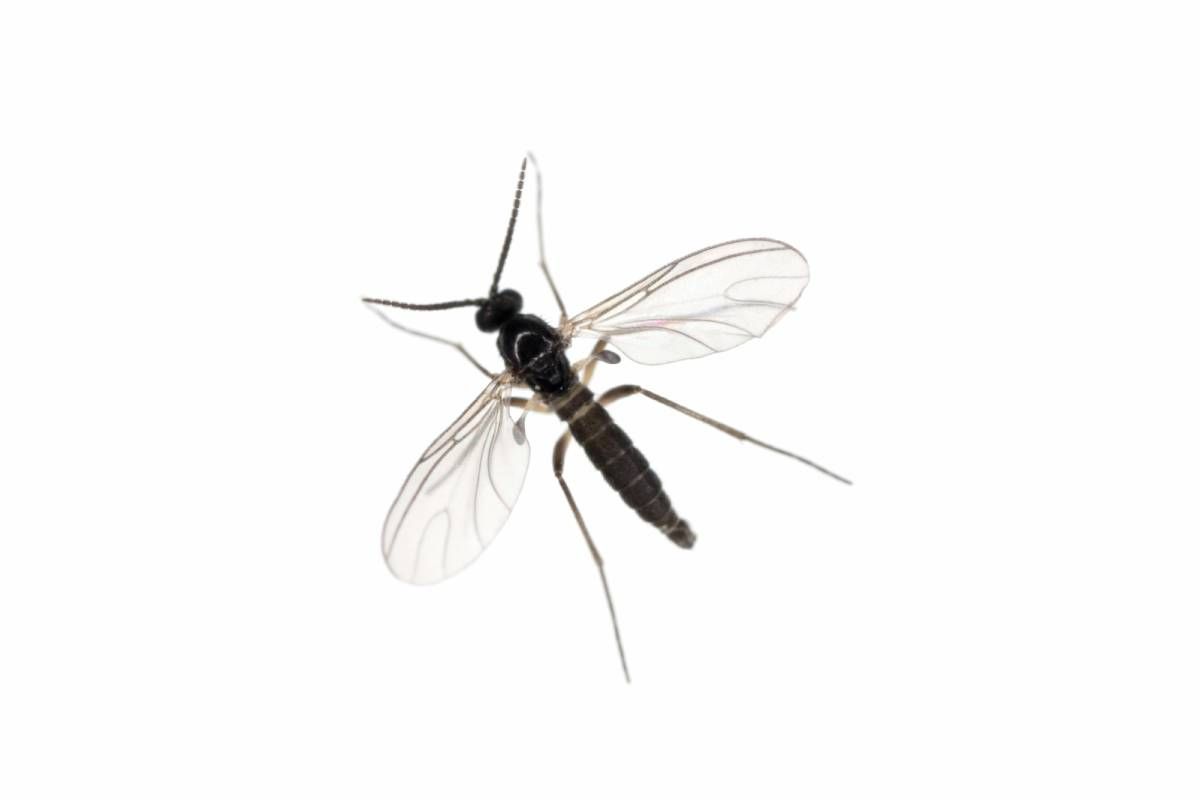
“Gnat” is a catch-all name for many small flies. When you see gnats inside your home, though, you’re almost always looking at the fungus gnat.
Fungus gnats are about ⅛ inch long, with slender black bodies, long legs and antennae, and clear or gray wings. They look like tiny mosquitoes, but they don’t bite. They’re weak fliers, so they stay close to plant soil, gather at sunny windows, and drift in front of your face or computer screen.
Why Fungus Gnats Show Up in Fall
Fall is the fungus gnat’s season. The larvae live in the top layer of damp soil and feed on fungus, decaying organic matter, and plant roots. Cool, damp weather is ideal for breeding outdoors, and when you bring potted plants inside for the winter, you can bring the larvae in with them. Indoors, they can keep breeding all winter.
How to Get Rid of Fungus Gnats
- Let the top inch or two of soil dry out between waterings.
- Make sure pots drain, and empty the saucers underneath.
- Inspect outdoor plants before you bring them inside.
- Use fresh, sterile potting mix when you repot.
- Place sticky insect-trap cards near the soil to catch adults and track whether the problem is shrinking.
If a plant is badly infested, repotting it or throwing it out may be the fastest fix. We’ve written about when to handle pests yourself and when to call a pro.
Other Small Flies That Get Called Gnats
- Drain Flies: Fuzzy, flies about 1/16” to 3/16” long that rest on bathroom walls and make short, hopping flights. Drain flies breed in the slimy film inside sink and shower drains, toilets that don’t get used, and refrigerator drip pans. Scrub drains with a brush, flush them with hot water, and run water in unused drains to refill the trap. Don’t pour insecticide down the drain.
What Does a Midge Look Like?
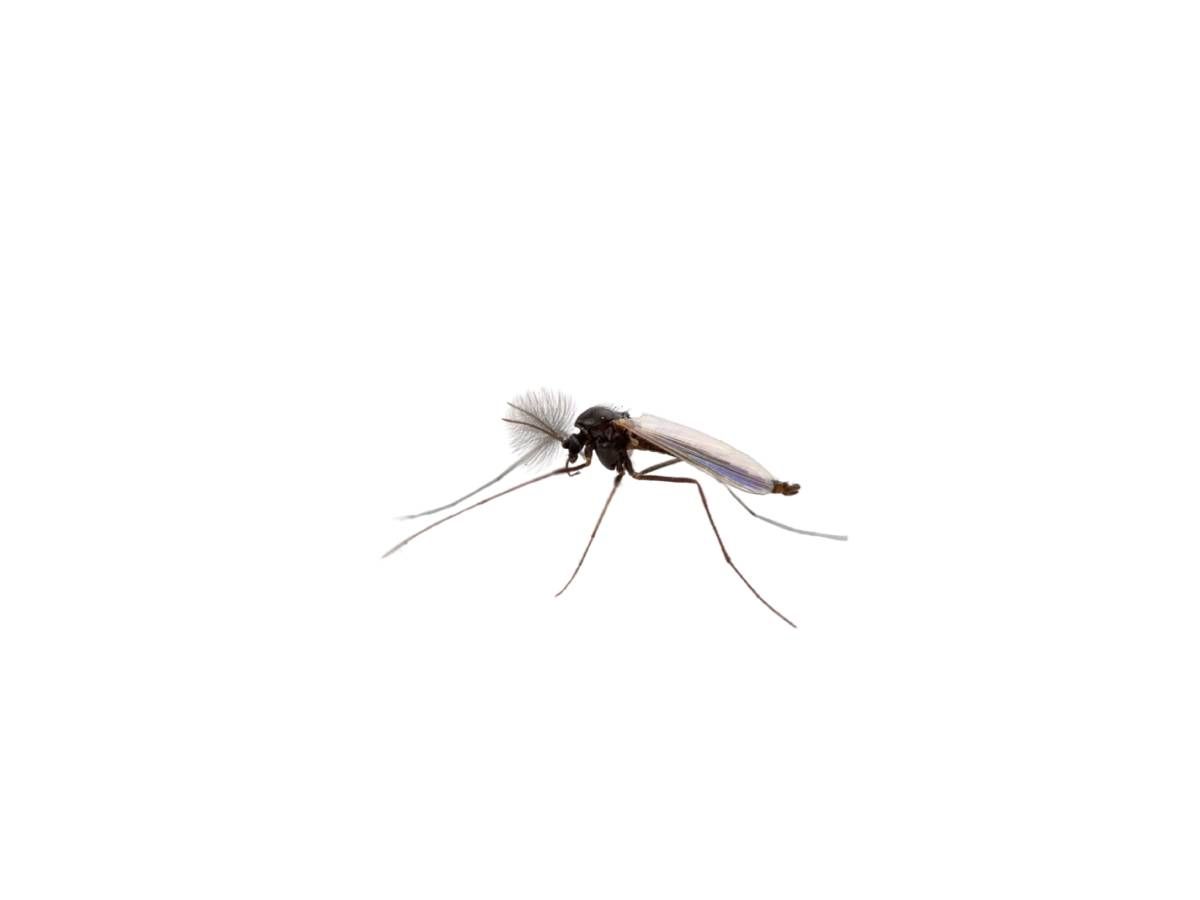
Midges are mostly outdoor pests. They’re about the size of a mosquito, at ¼ to ½ inch. Because of that, they’re often mistaken for mosquitoes. Kentucky does have biting midges, often called no-see-ums or punkies. But most midges in Kentucky don’t bite.
Midges breed in ponds, lakes, creeks, retention basins, and other standing water, where their larvae live in the mud at the bottom. When the adults emerge, they gather in swarms that can coat siding, porches, and cars.
Midges are most active in spring and summer and taper off in October as the tail end of the season.
How to Keep Midges Away
- Turn off outdoor lights when you don’t need them, or switch to motion-activated lights.
- Swap bright white bulbs for yellow, amber bulbs, which attract fewer insects.
- Reduce standing water around your yard, including clogged gutters, low spots where the air conditioner drains, and birdbaths.
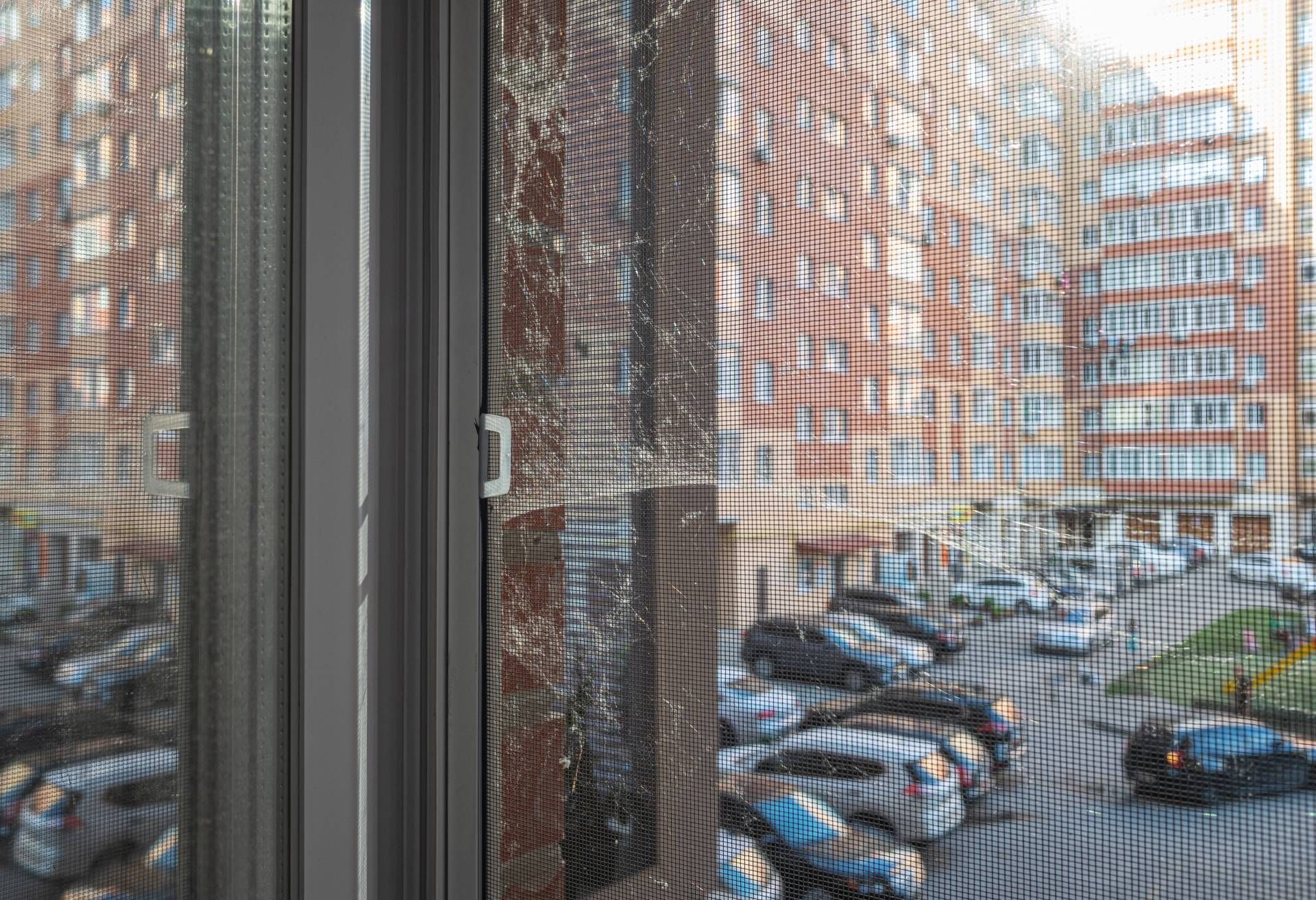
- Repair window and door screens, and seal gaps around doors, windows, and utility lines.
Fix the Source, Not Just the Flies
Killing adult flies only gives you temporary relief. Every small fly lays its eggs in a specific damp or decaying spot, and new adults will keep emerging until that spot is gone. That’s why our approach to pest control starts with inspection and education. In many cases, little to no chemical is needed, because removing the breeding site solves the problem.
For small flies, that means controlling the environment inside and around your home. Refrigerate produce, rinse recycling, and empty the trash often. Water houseplants less, fix leaks when you notice them, and empty drip pans. Scrub out buildup and run water in drains you don’t use. Keep window screens in good repair and seal cracks.
For more ideas, see our tips to make your home inhospitable to pests.
Professional Help for Small Flies
If small flies keep coming back after you’ve cleaned up, the breeding site is usually environmental: a cracked drain line, a leak under an appliance, or moisture in a crawl space or wall void. IPM Pest & Termite will inspect your home, identify the fly, find where it’s breeding, and use targeted treatments where they’re needed. Not sure what you’re looking at? You can email us a photo, and we’ll help identify it.
Fall brings other visitors, too, so it’s a good time to get ahead of winter pests. Our seasonal maintenance program keeps a technician on your side all year, and service calls between quarterly visits come at no additional charge.
Request a consultation by submitting our contact form or calling (859) 340-1403 for our Lexington office, or (502) 399-4536 for our Louisville office.
We serve the greater Lexington, KY area, including Nicholasville, Versailles, Georgetown, Richmond, and Winchester, KY, as well as the greater Louisville metro and nearby counties.