Are Jumping Spiders Poisonous? Do They Bite?
With eight eyes (two of them strikingly large), eight tiny legs, and a jump that can cover up to 30 times their body length, jumping spiders are both fascinating and creepy. If you notice jumping spiders coming into your home as the weather shifts from summer to fall, you may worry about getting bitten. And yes, they can bite, though it’s rare and usually mild. At IPM Pest & Termite near Lexington, Kentucky, we can assess your spider problem and develop a solution that works for you.
Learn about jumping spiders, whether they’re poisonous, what a jumping spider bite looks like, what you can do on your own to keep them out of your home, and when to call in the professionals.
What Are Jumping Spiders?
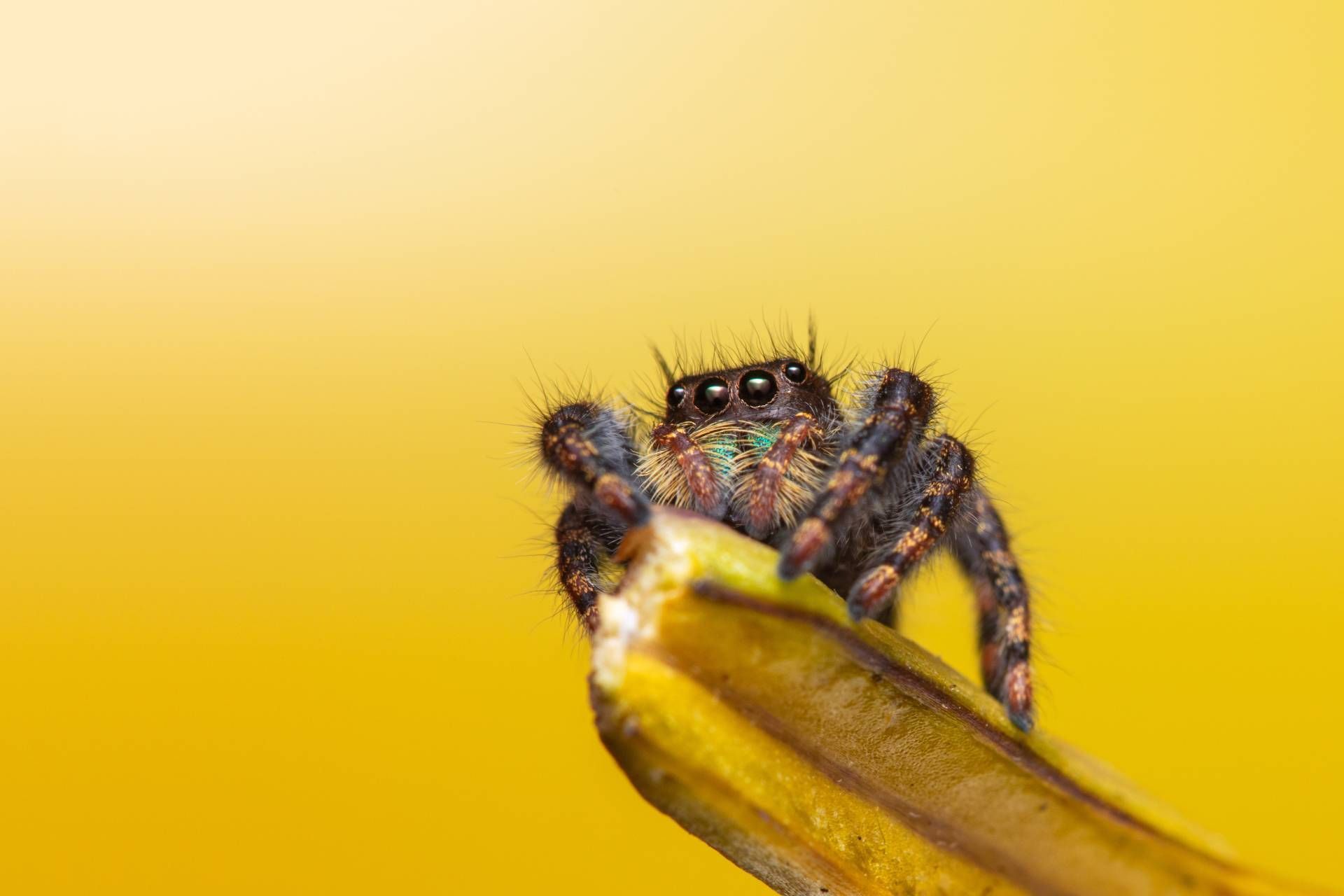
You can identify jumping spiders by their two large eyes on the front of their face, flanked by two smaller eyes, with four more set farther back on the head. One of those back pairs is so tiny that jumping spiders can look like they have only six eyes. They’re hairy and small, and most Kentucky species measure ½” or less.
Unlike most spiders, jumping spiders hunt during the day and don’t spin webs to catch prey. They stalk and pounce instead, so you’ll usually spot them on sunny windowsills, walls, fences, and decks. As their name implies, they jump, some species up to 30 times their body length.
In many species, females are larger and more muted in color than males. The males are often surprisingly colorful, with white, orange, black, red, green, and blue markings. One of Kentucky’s most common species, the bold jumping spider, is black with white spots and iridescent green mouthparts.
Are Jumping Spiders Poisonous?
While jumping spiders do make venom that’s poisonous to their prey and they can bite humans, their venom isn’t particularly toxic to humans. (Technically, spiders are venomous, not poisonous: venom is injected through a bite, while poison harms you when you touch or eat it.)
Only two of the hundreds of spiders found in Kentucky are considered medically dangerous: the brown recluse and the black widow. Fortunately, jumping spiders aren’t one of them—though some jumping spiders like the tan jumping spider, even get mistaken for brown recluses.
They’re easy to tell from the Kentucky spiders people worry about most:
- Brown Recluse: Tan to dark brown in color, with only 6 eyes arranged in pairs and a dark, violin-shaped marking on its back. Its venom is medically significant.
- Wolf Spiders: Brown, gray, or black hairy spiders with striped or spotted patterns. They range from the size of a pencil eraser to a silver dollar and run down prey on the ground. Their bite can hurt, but it isn’t dangerous except to people with allergies.
- Black Widow: Glossy black body with a red hourglass shape on the underside of the abdomen. Its venom is medically significant.
For a look at other species you’ll find around your home, see our guide to spiders in Lexington, Kentucky.
Do Jumping Spiders Bite?
Jumping spiders rarely bite people. They’d rather leap away! Bites usually happen only when one is trapped against skin, pinched, or handled.
A jumping spider bite typically looks and feels like a mosquito bite: a small, red, itchy bump with mild swelling that fades within a day or so. Some unfortunate people have allergic reactions, including hives, spreading redness, dizziness, vomiting, or nausea.
Wash the bite with soap and water and apply a cold compress. Get medical help right away for trouble breathing or swelling in the face or throat, and see a doctor if symptoms get worse after 24 hours. If you can safely capture the spider, bring it along to help with identification.
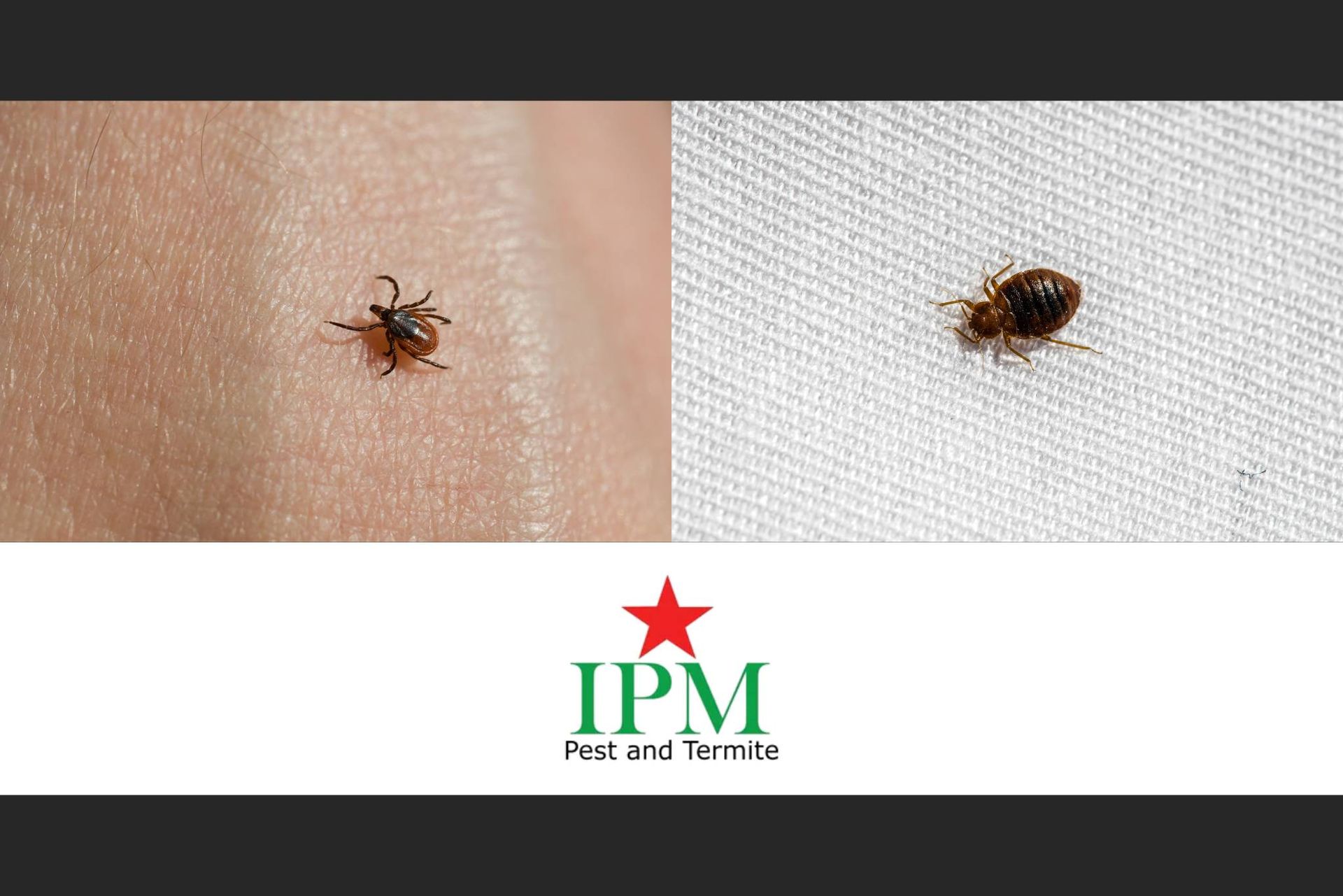
Not sure a spider was the culprit? Learn how to tell tick and bed bug bites apart.
How Do I Eliminate Spiders?
Jumping spiders are beneficial hunters that eat flies, mosquitoes, and other household insects. Still, if you think spiders are creepy, there are simple ways to get rid of them.
Like many pests, spiders come inside in fall and hide in boxes and clutter. Jumping spiders also tuck small silk threads into window frames, door molding, and curtain folds. Dust regularly, remove any webs and silk sacs you see (even old ones), and vacuum regularly.
A few other steps help keep them out: seal cracks around windows and doors, swap bright porch bulbs for yellow bug lights so you attract fewer of the insects spiders hunt, and try child- and pet-safe spider repellents like peppermint oil. For more ideas, see our tips for keeping spiders out of your home.
Professional Help for Spider Pest Control
If you can’t eliminate the spiders as effectively as you'd like, contact IPM Pest & Termite. We inspect your home for gaps and cracks that let spiders and other insects in, then seal them. We also treat for the pests and keep them away. We work with you to create a plan that keeps your home free of spiders, insects, mice, and more.
We also offer a seasonal maintenance program. We’ll return every season for quick inspections to keep pests away.
Contact Us for Pest Control Near Lexington, KY
Jumping spiders may not be dangerous for humans, but you still don’t want to experience their bite, especially if you’re allergic. At IPM Pest & Termite near Louisville and Lexington, Kentucky, we want your home to be a comfortable place to live by keeping it free of spiders. We’ll inspect your home, eliminate the problem, and create a plan to keep spiders and other critters out.
Request a consultation by submitting our contact form or calling (859) 340-1403 for our Lexington office, or (502) 399-4536 for our Louisville office. We serve the greater Lexington, KY, metro Louisville, and Oldham County.