Tick vs. Bed Bug: How to Tell Bugs and Bites Apart
Ticks and bed bugs are two types of pest that are prevalent throughout Kentucky, particularly in late summer. If you find a bite or signs of these pests on yourself, a child, or a pet, you need to know what you’re dealing with so you can assess the risk and determine your next steps.
At IPM Pest & Termite, we can help you identify the bite and the signs of pests and develop a service plan for removal or extermination.
Learn how to tell ticks and bed bugs apart and their bites apart, so you know what you’re dealing with quickly.
What Does a Tick Look Like?
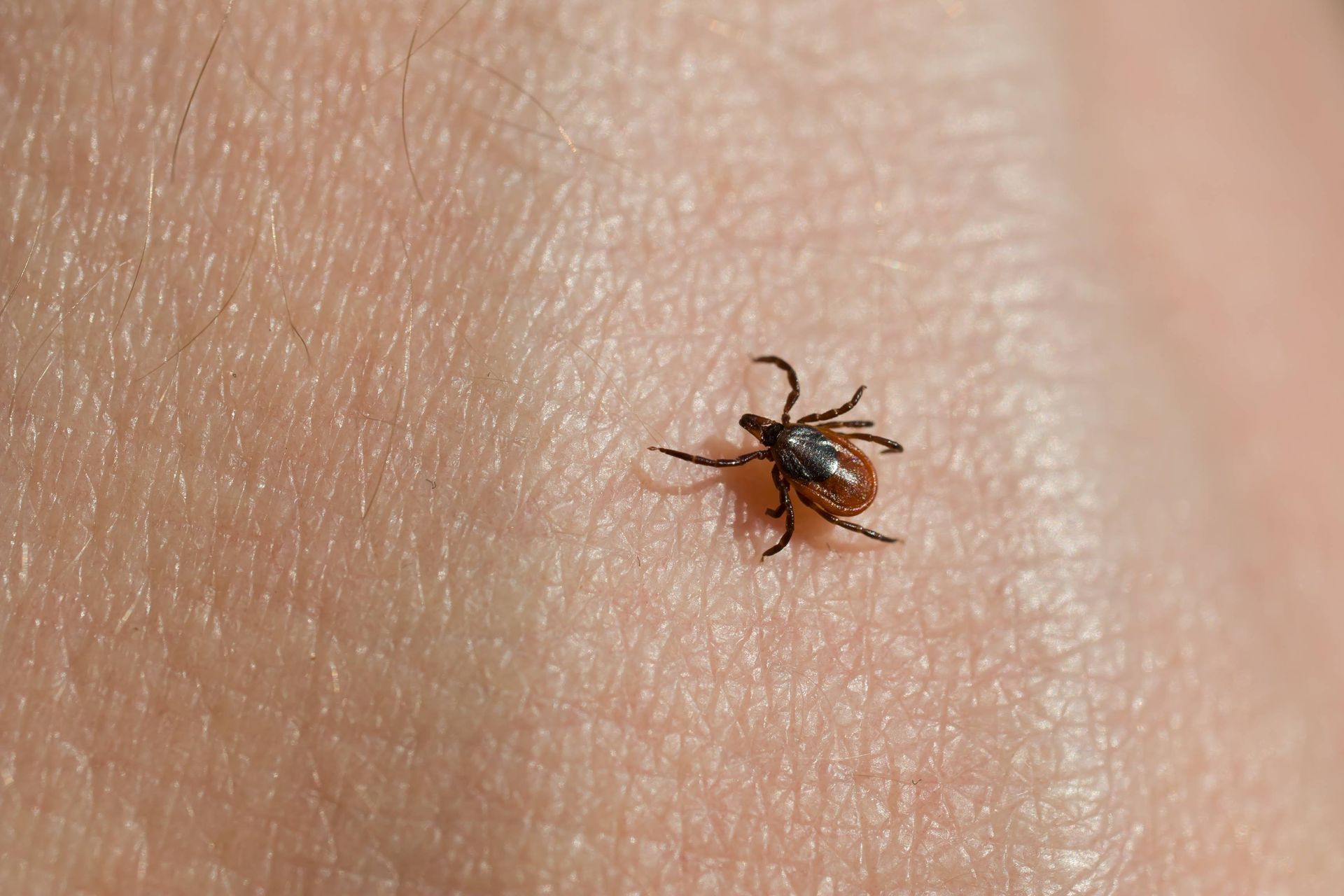
About as big as a sesame seed, ticks start small. Before gorging, ticks are flat and oval with 8 little legs. They don’t have any wings or antennae, and they range in color from reddish-brown to gray, dark brown, and black, depending upon the variety.
Black-legged ticks, or deer ticks, are known to carry illness including Lyme disease.
Where You’re Likely to Find Ticks
Ticks can be found in the woods, tall grass, piles of dead leaves, brush, woodpiles, and along stone walls.
What Does a Bed Bug Look Like?
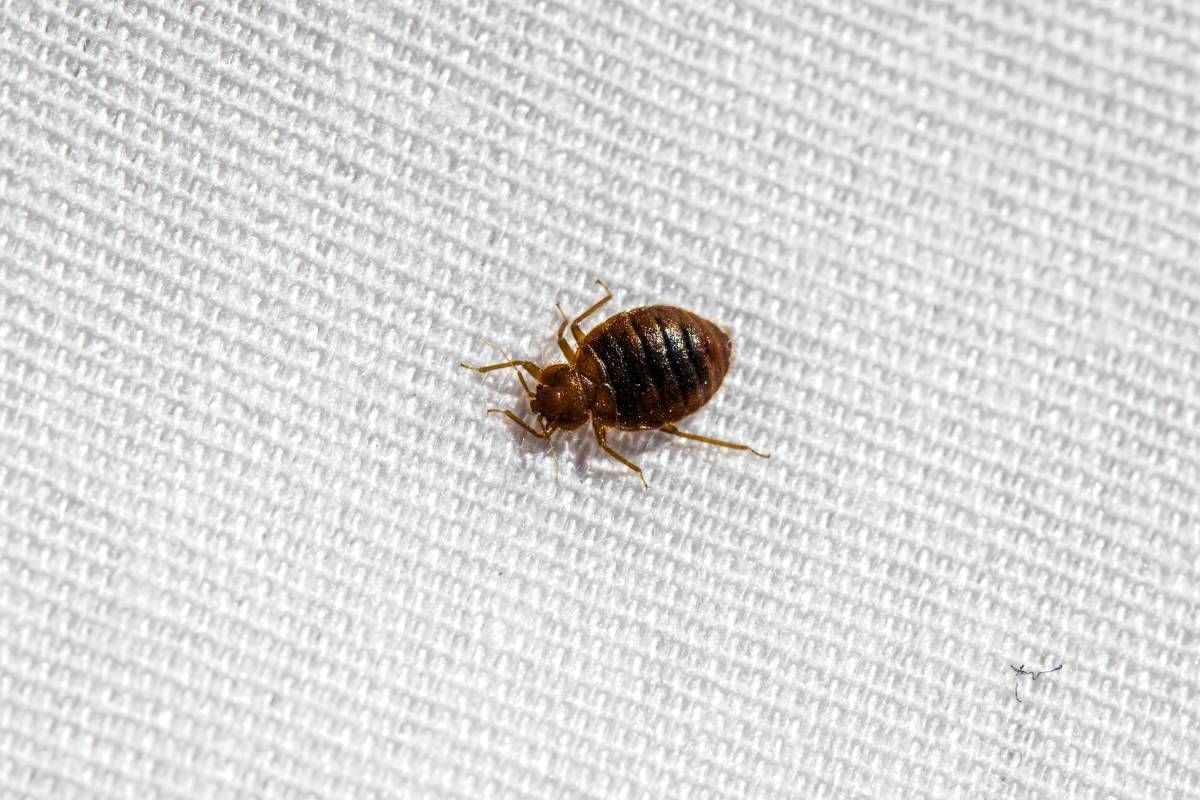
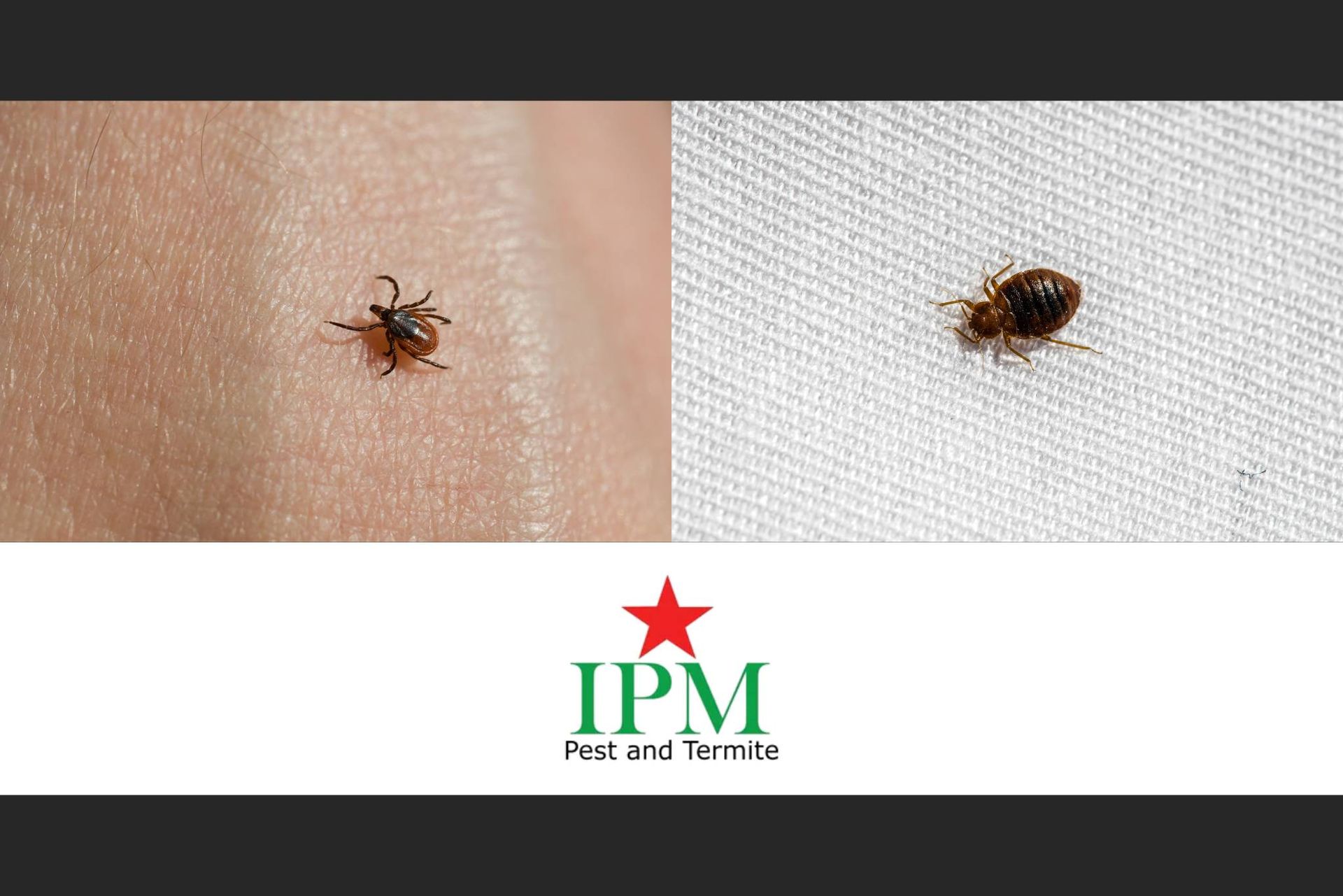
Like ticks, bed bugs are flat, oval, and wingless. They’re about the size and shape of an apple seed, and primarily reddish-brown in color. They have only 6 legs and leave an itchy bite, but they don’t transmit disease.
Where You’re Likely to Find Bed Bugs
Bed bugs like to be where the people are. They hide indoors, in tight crevices, mattresses, box springs, bed frames, along baseboards, carpets, and in wall fixtures.
Ticks vs Bed Bugs in Every Stage
The quickest way to tell a bed bug from a tick is bed bugs have 6 legs and ticks have 8.
- Bed bug eggs are white, and about the size of a pinhead.
- In the larval stage, ticks are about the size of a period at the end of a sentence.
- In the nymph stage, ticks are the size of a poppy seed and bed bugs are semi-translucent and whitish, except for just after they’ve eaten, when they turn bright red.
Comparing Bites: Tick Vs. Bed Bug
Deer tick nymphs are most dangerous for humans because they can carry Lyme disease. They target body folds, like underarms and behind the knees. If the disease is present, they may form a bullseye mark.
Bed bug bites are spotted in clusters or rows of tiny, swollen, itchy bites. They will show up on areas exposed when you sleep, like near the neck or the face, on the arms, and near hands.
Another blood feeder, fleas, will often show up as random clusters or scattered groups of small red dots. Typically, these are found on the lower legs and feet because fleas jump up from the floor or carpets.
Contact Us to Get Rid of Blood Feeders Near Lexington, KY
If you’ve noticed small biting bugs, we can help you get rid of them.
At IPM Pest & Termite, we can confirm that they’re the problem, identify areas harboring the infestation, and create a treatment plan that includes keeping them out.
We’re familiar with a host of blood-feeding insects near Lexington, Kentucky, and can make sure they’re no longer a problem for you.
Request our services with our contact form or by calling (859) 340-1403 if you’re near Lexington & Central Kentucky and (502) 399-4536 if you’re near Louisville, KY.
We serve greater Louisville and Oldham County, and the greater Lexington, KY area, including Richmond and Winchester, KY.